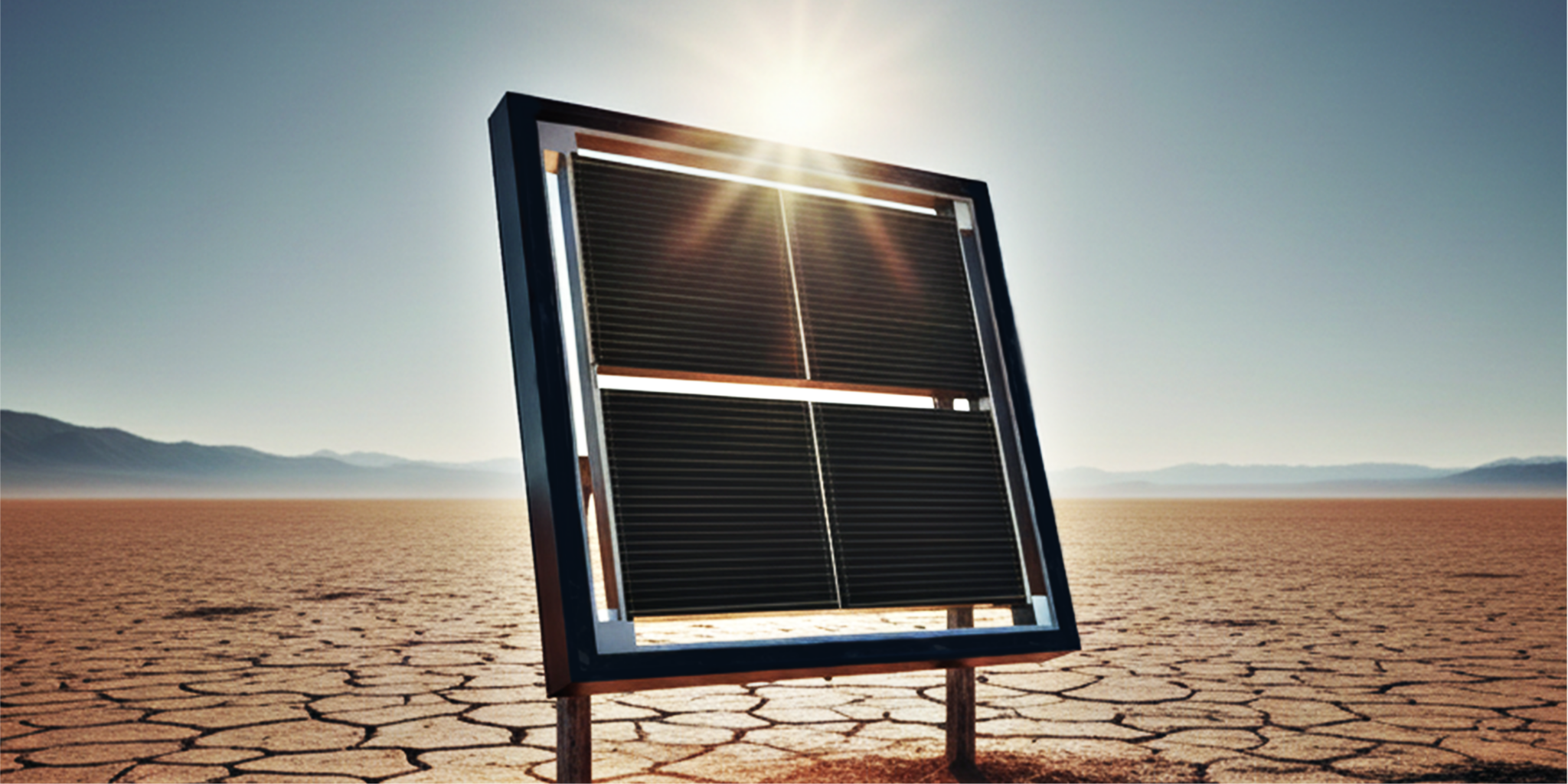
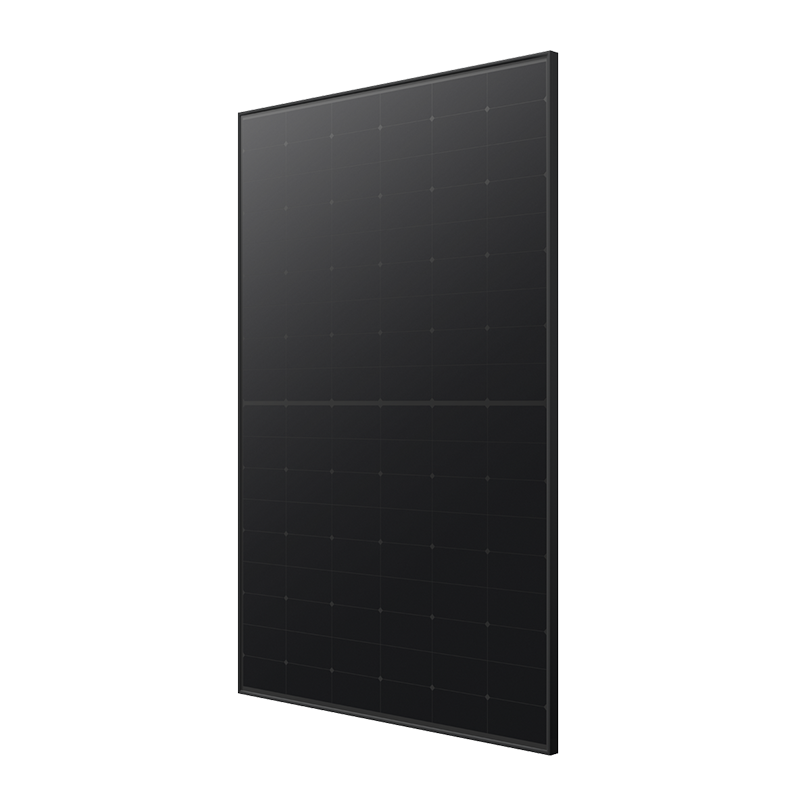
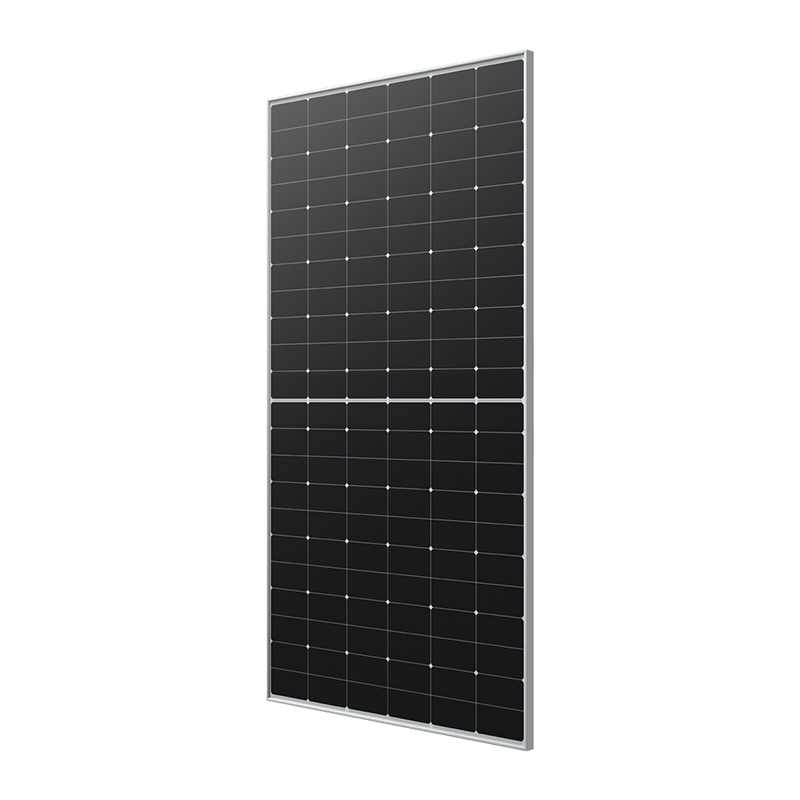
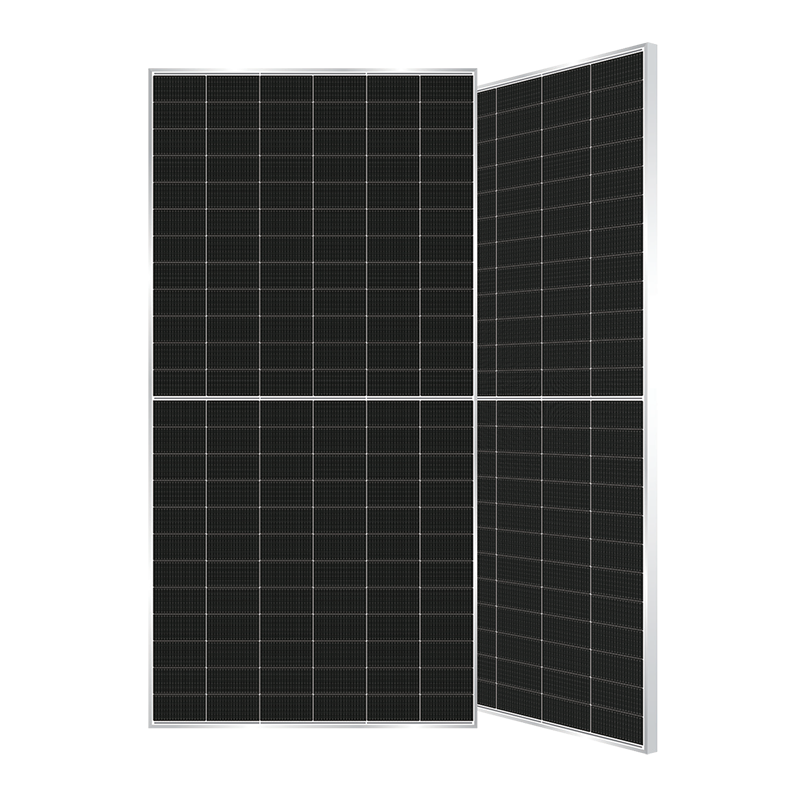
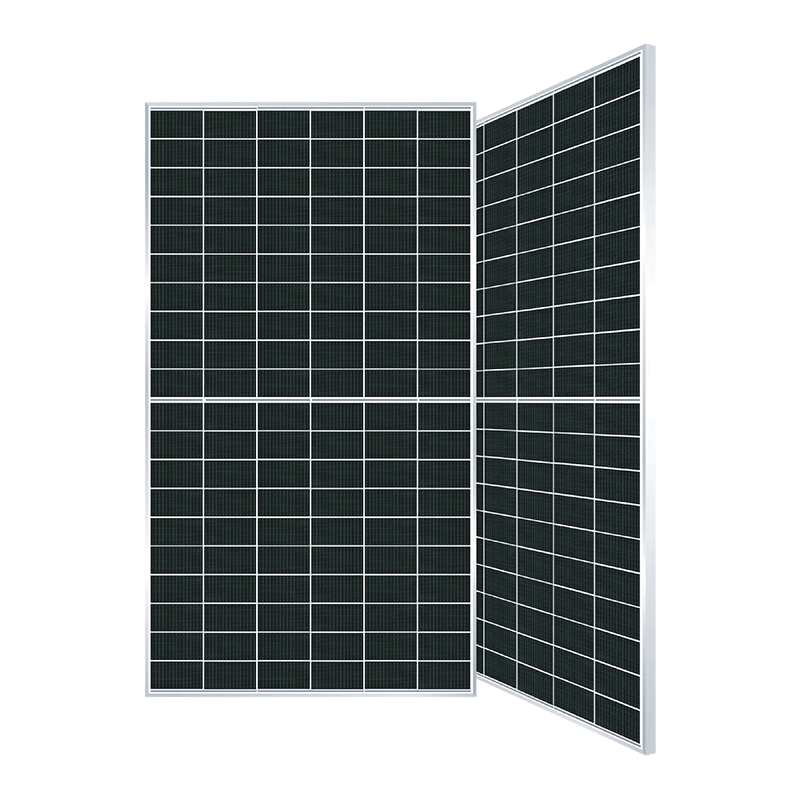
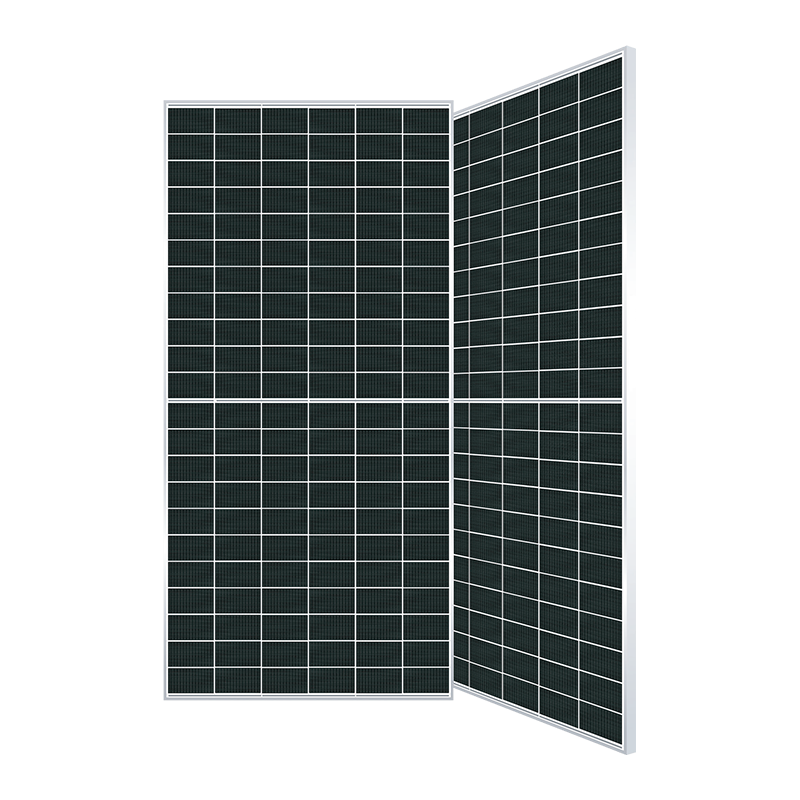
A solar panel placed in a test chamber simulating real-world conditions maintains nearly 95% of its initial conversion efficiency after 5,000 hours of high-intensity illumination, while withstanding 85°C high temperatures and continuous ultraviolet radiation. This is not a sci-fi scenario but a recent breakthrough achieved by a research team from the École Polytechnique Fédérale de Lausanne (EPFL) in Switzerland.
This innovation adopts chemically driven passivation technology, elevating the stability of perovskite solar modules to an unprecedented level and directly addressing the key barrier to perovskite commercialization.
01 Groundbreaking Discovery
An international research team has recently made significant progress in perovskite solar technology. They developed a chemically driven passivation technique that enables perovskite solar modules to deliver record-breaking stability under illumination, high temperatures, and ultraviolet stress.
Led by EPFL, the research team includes scientists from the University of Rome Tor Vergata, the Institute of Structure of Matter, Argonne National Laboratory, and Italy’s Greatcell Solar, among other institutions.
The research findings have been published in the journal Nature Energy under the title "Eutectic-Engineered 2D Perovskite Phases Enhance the Efficiency and Stability of Perovskite Solar Modules."
02 Technological Innovation
Researchers introduced an innovative eutectic engineering strategy, using the neutral triazine-based molecule BGA to construct a 2D perovskite protective layer. Unlike traditional ionic passivation methods, this neutral molecule forms a stable 2D eutectic structure through intermolecular interactions, effectively passivating halide and cation vacancies in the perovskite film. This innovative design not only prevents ion migration and the release of volatile components but also maintains the stoichiometry of the original perovskite. Meanwhile, the use of industrially compatible non-polar solvents avoids damage to the underlying materials.
03 Technical Advantages
Systematic tests show that the treated perovskite solar cells exhibit exceptional stability:
- Retain over 95% efficiency after 5,000 hours of continuous illumination and maximum power point operation;
- Maintain more than 91% efficiency after 5,000 hours in an 85°C high-temperature environment;
- Preserve over 98% efficiency after 1,000 hours of continuous ultraviolet irradiation.
In addition, the conversion efficiency of small-area cells reaches 23.4%, and the efficiency of practical 48cm² modules hits 18.5%. All indicators exceed the commercialization standards set by the International Electrotechnical Commission (IEC).
04 Commercialization Prospects
The technology boasts significant industrialization advantages:
- Process-wise, only one additional deposition step needs to be added to existing perovskite production lines, eliminating the need for complex synthesis, high-temperature treatment, or vacuum equipment, thus greatly reducing the threshold for technology transfer.
- The 2D eutectic layer can be formed through solution deposition and mild thermal annealing, with complexity lying primarily in chemical design rather than manufacturing processes.
This high compatibility with existing manufacturing systems makes it particularly suitable for large-scale production and industrial applications, paving the way for the commercialization of perovskite photovoltaic technology.
05 Future Outlook
This breakthrough enables perovskite solar technology to overcome the fundamental flaw of insufficient long-term stability, accelerating its transition from the laboratory to the market. As global demand for renewable energy continues to grow and carbon neutrality goals advance, high-efficiency, low-cost perovskite photovoltaic technology is expected to become a core driver of the next-generation photovoltaic industry.
This achievement not only promotes the progress of photovoltaic technology but also provides a new technical option for global energy transition, marking a new phase in the development of clean energy.
 English
 Español
 Deutsch